
Multicultural communities
Australia is home to people from a wide range of cultural, linguistic and national backgrounds.
Learn more about Australia's states and territories, lifestyle, major cities, settlement considerations and migration pathways for skilled workers, students, families and visitors.
Australia is both a country and a continent, located between the Indian and Pacific oceans. It is known for its modern coastal cities, regional communities, natural landscapes, diverse wildlife and multicultural population.
Sydney, Melbourne, Brisbane, Perth and Adelaide are among Australia's largest cities, while Canberra is the national capital. The country's size means that climate, employment, housing and lifestyle can differ significantly between locations.
Australia is home to people from a wide range of cultural, linguistic and national backgrounds.
Australia's capital cities provide access to employment, education, healthcare, transport and cultural activities.
Regional Australia includes large cities, smaller towns and rural communities with distinct employment needs.
The country includes tropical regions, deserts, rainforests, mountains, beaches and temperate cities.
Australia combines internationally recognised cities with extraordinary natural landscapes, giving residents and visitors access to diverse cultural, coastal, regional and outback experiences.
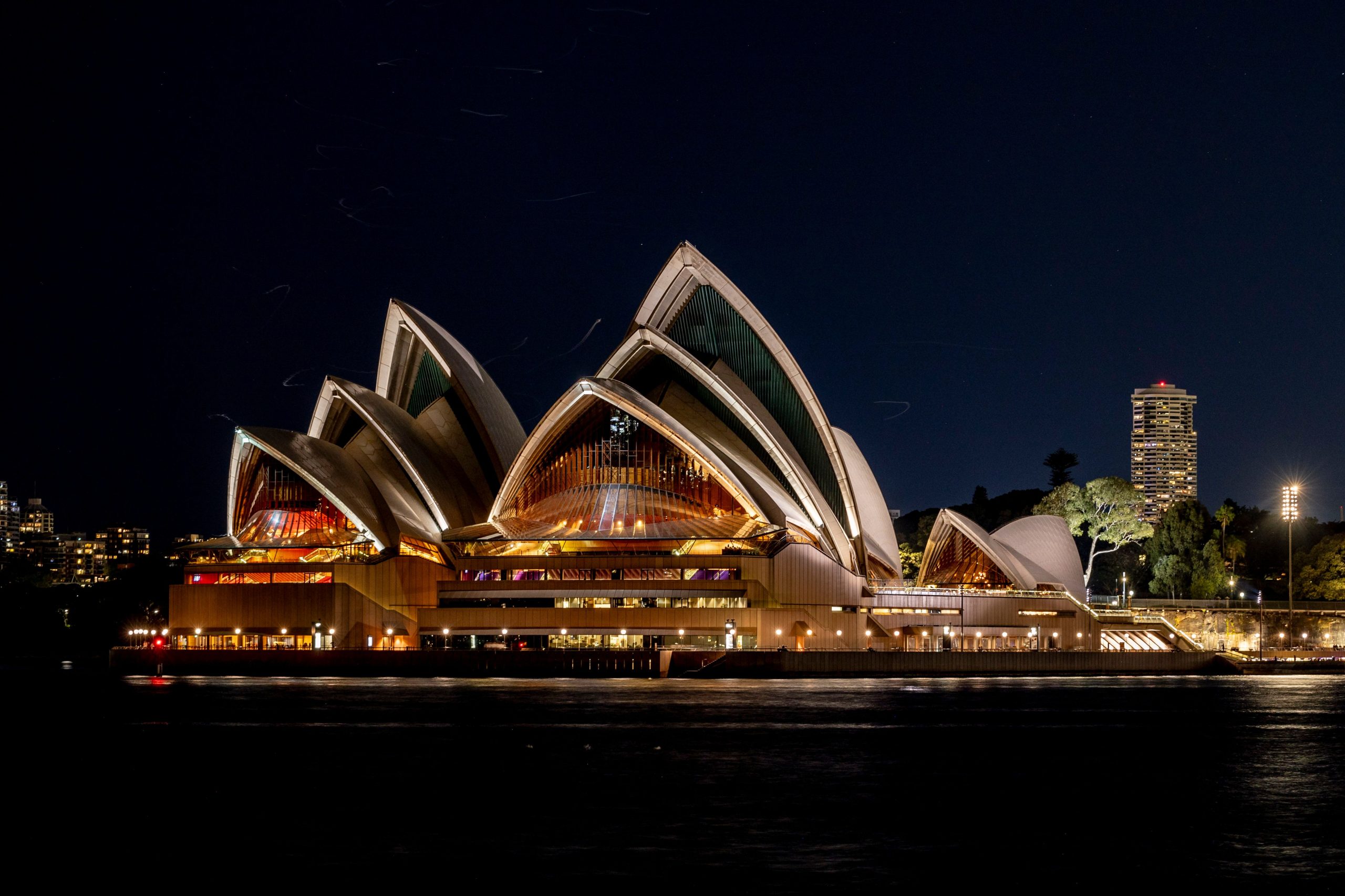
Sydney is one of Australia’s best-known cities and a major centre for employment, education, business, tourism and multicultural communities. Other major cities include Melbourne, Brisbane, Perth, Adelaide and Canberra.
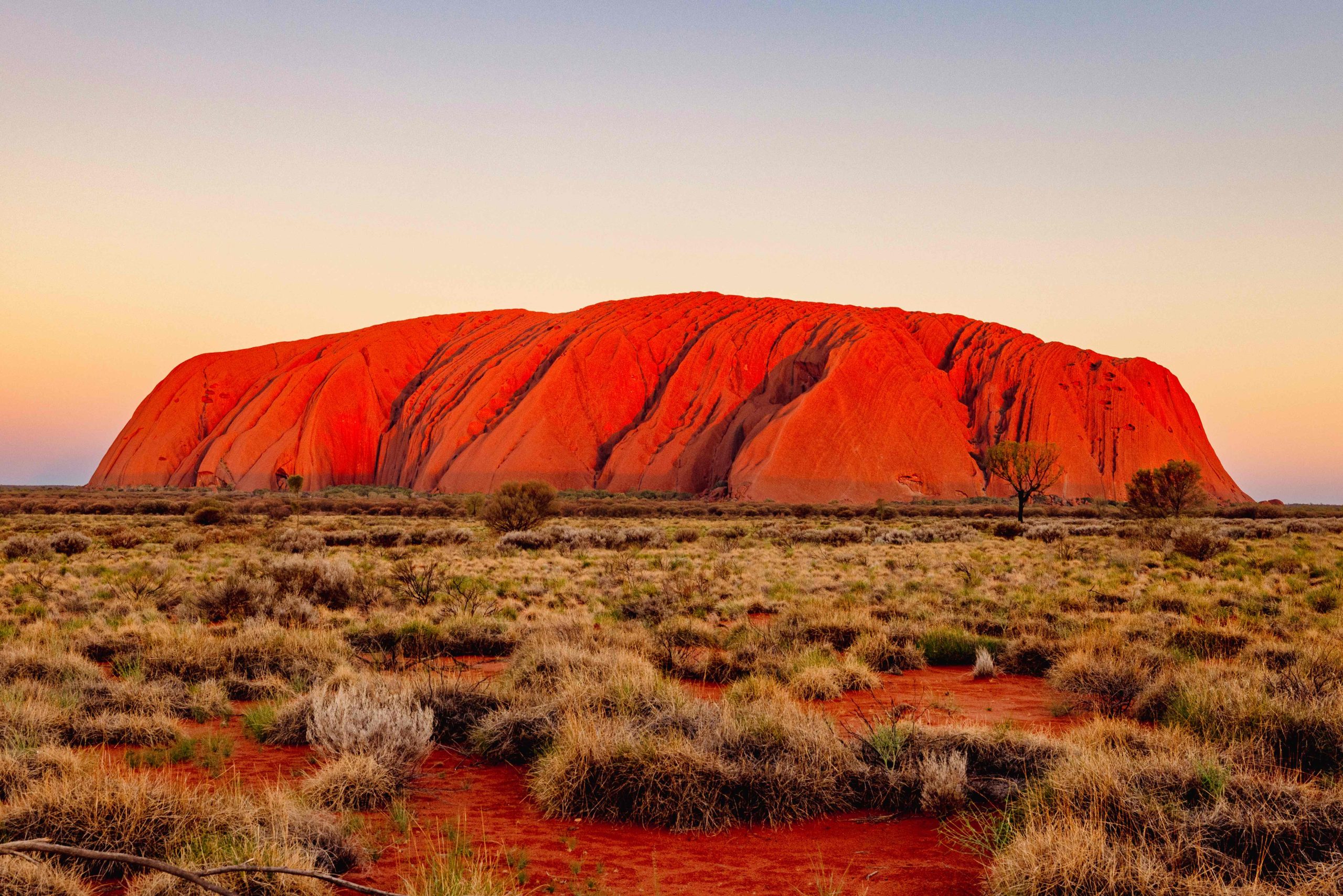
Australia is also known for its vast regional areas and distinctive natural environments. Uluru is one of the country’s most recognisable landscapes and reflects the scale and diversity found beyond Australia’s major cities.
These broad facts provide a simple introduction to Australia's population and administrative structure.
People may choose Australia for work, study, family, professional development or long-term settlement.
Different industries and regions may have demand for qualified workers, professionals and tradespeople.
Australia offers universities, vocational institutions, English-language programs and professional training.
Australia's communities include people from many countries, languages, cultures and migration backgrounds.
Regional locations can offer different employment, education, housing and community experiences.
Residents can experience beaches, parks, forests, mountains, coastal areas and distinctive wildlife.
Eligible applicants may explore skilled, employer-sponsored, family, student, visitor or other visa categories.
Each state and territory has its own capital, economy, climate, regional areas and lifestyle considerations.
Australia's most populous state, with major urban, coastal, regional and inland communities.
Known for its cultural life, education sector, professional industries and diverse regional areas.
A large state with tropical and subtropical regions, major cities and extensive regional communities.
Australia's largest state by area, with significant mining, energy, agriculture and regional industries.
Known for education, healthcare, manufacturing, agriculture, wine regions and regional communities.
An island state recognised for its natural environment, regional lifestyle and growing industries.
Home to the national capital, Australian Parliament and many government and national institutions.
A northern jurisdiction with tropical and desert climates, remote communities and regional industries.
New arrivals should research practical matters before moving and during their first months in Australia.
Research occupation requirements, employment conditions, licences, registrations and local job markets.
Compare rental availability, housing costs, transport links and proximity to essential services.
Understand school enrolment, university, vocational study and any fees associated with your visa status.
Check your access to Medicare and whether private health insurance is required or recommended.
Public transport access varies considerably between capital cities, suburbs and regional locations.
Plan for initial accommodation, deposits, transport, insurance, utilities and everyday living expenses.
English skills can be important for employment, study, accessing services and participating in the community.
Local councils, cultural organisations, sporting groups and community services can help new arrivals connect.
The experience of living in Australia depends heavily on where you live, your visa conditions, employment, household size and personal circumstances.
The appropriate visa depends on your goals, qualifications, employment, family connections and personal circumstances.
Explore points-tested pathways, state nomination and regional skilled migration options.
Explore skilled visasReview temporary, permanent and regional pathways involving nomination by an eligible Australian employer.
Explore employer sponsorshipLearn about studying in Australia and possible temporary graduate pathways after eligible Australian study.
Explore student visasConsider pathways for eligible partners, spouses, parents and other qualifying family members.
Explore family visasExplore temporary visa options for tourism, family visits and certain permitted business-visitor activities.
Explore visitor visasDiscuss your goals, immigration history and possible visa pathways with the Renu Migration Services team.
Book a consultationReview some general questions people may have when considering Australia.
The right location depends on your employment, study, family, visa conditions, budget and preferred lifestyle. Research housing, transport, climate and local employment before making a decision.
Some visa pathways do not require an employer job offer, while others require employer sponsorship or nomination. Eligibility depends on the specific visa category and your individual circumstances.
Regional areas can have different employment markets, housing costs, transport networks and access to services. Some migration pathways also include regional residence or work conditions.
Your required budget depends on your destination, household size, accommodation, visa conditions and employment arrangements. Include rental deposits, temporary accommodation, transport, food, insurance, utilities and emergency funds.
No. Australian study does not guarantee permanent residence. Graduate and skilled migration eligibility depends on the rules, occupations, points, nomination programs and personal circumstances applying at the relevant time.
This page provides general information about Australia and does not constitute migration, legal, financial, employment or settlement advice. Visa criteria, government programs, occupation lists, charges and processing arrangements can change. Obtain advice based on your current circumstances before making migration, employment, study or financial decisions.
Arrange a consultation to discuss your migration goals, qualifications, employment experience, family circumstances and the visa pathways that may be relevant.